The distribution of the Alaska Permanent Fund Dividend continues to provide significant financial support to residents as the state shares its natural resource wealth. For the 2026 cycle many individuals are focusing on the $1000 payments scheduled throughout the first quarter of the year. Unlike temporary relief measures this program is a long standing state benefit funded by investment earnings from oil and mineral revenues. The current distribution phase is especially important for households managing winter expenses as it provides a predictable influx of capital. Understanding the specific timeline and residency requirements is essential for ensuring that funds are received without administrative delays.
Table of Contents
Mechanics of the Permanent Fund Dividend
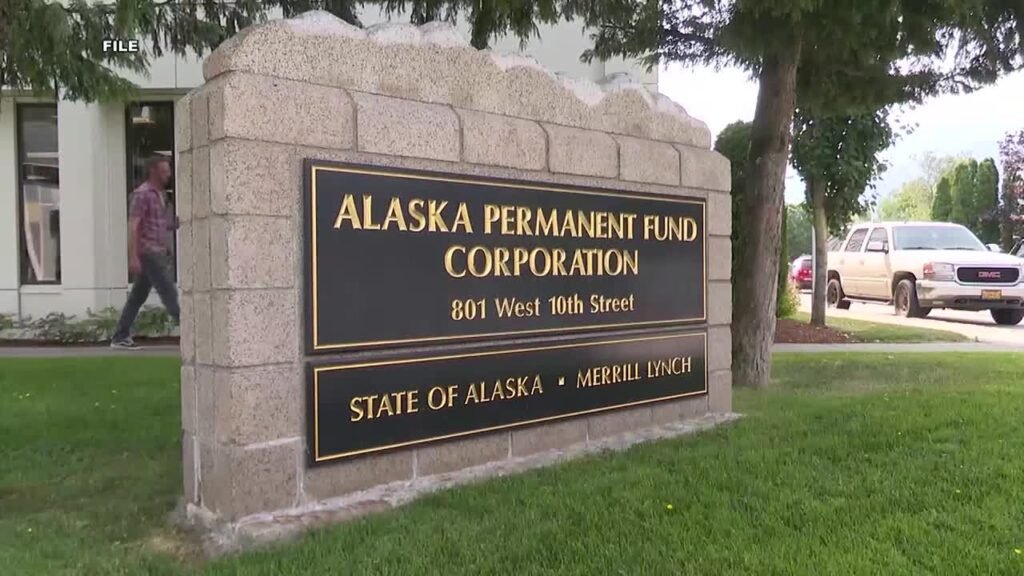
The Alaska Permanent Fund was established to ensure that all citizens benefit from the extraction of non renewable resources. A portion of the states oil revenue is placed into a dedicated investment fund which generates annual earnings. These earnings are then redistributed to eligible residents who have maintained a permanent presence in the state during the preceding qualifying year. For the 2026 payout the amount has been set at $1000 per person which is a decrease from the $1,702 distributed in the previous year. This fluctuation is directly tied to the performance of global energy markets and the specific investment returns of the fund.
Timeline for the first quarter distributions
The Alaska Department of Revenue has organized the 2026 payment schedule into three primary waves based on the date of application approval. Residents whose status was finalized early received their funds in mid January. The current focus is on the February and March distributions which target applicants who completed their verification recently. To receive a payment in a specific wave an applicant must reach the status of Eligible Not Paid by the established cutoff date for that month.
Detailed 2026 payment and eligibility overview
| Payout Detail | 2026 Specification | 2025 Comparison | Requirement |
| Payment Amount | $1000 | $1,702 | Approved Application |
| February Date | February 19, 2026 | Various | Status by Feb 11 |
| March Date | March 19, 2026 | Various | Status by March 11 |
| Eligibility Period | Full Year 2025 | Full Year 2024 | Residency Intent |
| Application Portal | myPFD Online | myPFD Online | Valid myAlaska ID |
| Funding Source | Mineral Revenue | Mineral Revenue | State Investment |
Residency and physical presence standards
Maintaining eligibility for the dividend requires strict adherence to residency laws that go beyond simply having a local address. Applicants must demonstrate a clear intent to remain in the state indefinitely and must have been physically present in Alaska for the entire 2025 calendar year. Certain absences are allowed such as for military service or higher education but these must be documented and reported during the application process. Furthermore individuals who claim residency in another state for tax or voting purposes during the qualifying year are automatically disqualified from receiving the payout.
Managing and tracking your payout status
- Use the official myPFD portal to check your application status at any time.
- Ensure your banking information is updated to receive funds via direct deposit.
- Review any outstanding documentation requests to avoid being moved to the March cycle.
- Verify that your mailing address is correct if you have opted for a paper check.
- Monitor your confirmation number for any notices regarding eligibility reviews.
Expert insight and practical application
From a financial planning perspective the reduction in the dividend amount to $1000 highlights the importance of not relying solely on this payout for critical debt obligations. In a real life application residents should treat the dividend as a supplementary budget item for savings or non essential expenses rather than a guaranteed fixed income. Practically speaking the fastest way to resolve an Under Review status is to proactively upload missing residency proof such as utility bills or employment records through the myPFD portal. Those who wait for a formal letter often miss the February cutoff and must wait an additional thirty days for the March distribution.